
 MADE IN EUROPE
PDM System
SolidRules’ advanced PDM (Product Data Management) solution integrates with the leading mechanical, electronic, and electrical CAD systems, creating a single environment for managing product data.
It supports 2D and 3D mechanical CAD systems such as Solid Edge, SolidWorks, Inventor, and Creo Parametric, as well as electronic design tools such as Xpedition Standard and PADS Professional. The integration also extends to electrical CAD systems such as SPAC, ePlan, SEE Electrical, and Sabik. All data is centralized and managed consistently throughout the entire product development lifecycle.
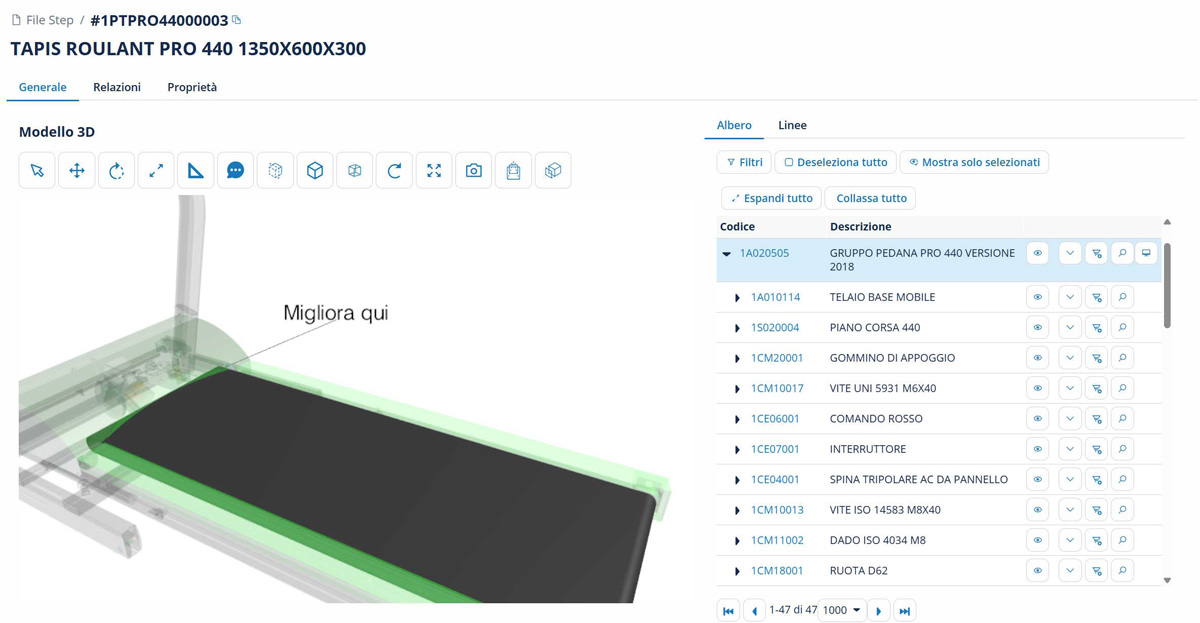
Dynamic coding and classification
SolidRules automates the coding of documents, components, and projects through configurable and parametric rules.
Dynamic classification allows information to be organized according to technical attributes, categories, and company-specific metadata. This approach eliminates manual activities, reduces errors, and promotes the reuse of existing information. The result is a structured, organized, and easily searchable archive.
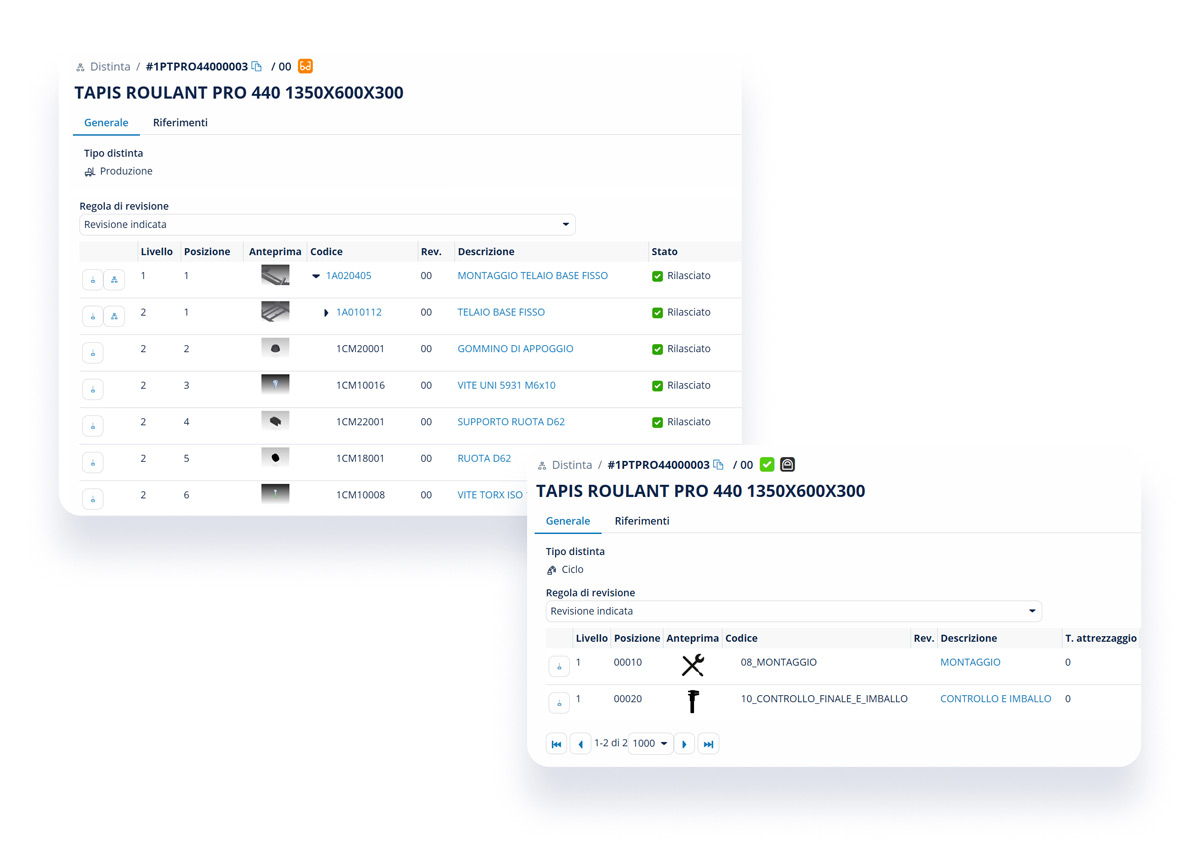
Document search and control
Dynamic search enables users to quickly find documents, parts, and projects by using attributes, content, and data relationships.
The vaulting system protects files and ensures full traceability, while versioning maintains the history of every revision.
Batch activities allow users to perform bulk operations, such as conversions, updates, or publishing, automatically. All of this improves efficiency and reduces document management times.
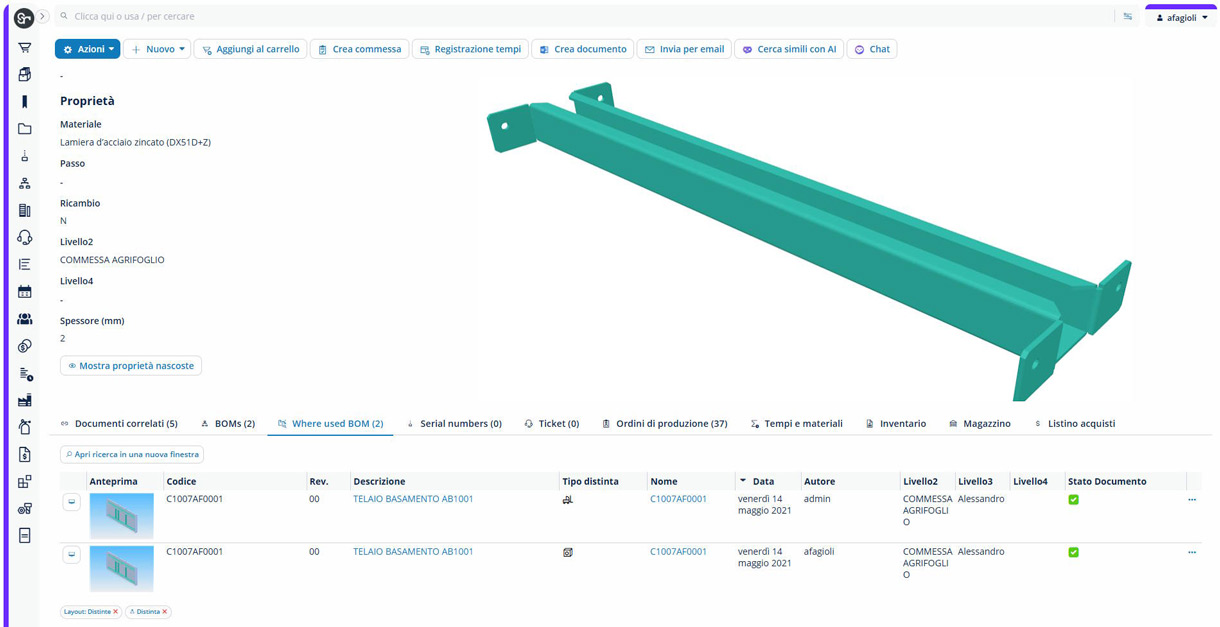
Approval workflow and release automation
PDM manages configurable approval workflows that digitize the verification and release processes of technical documentation.
Once the workflow is completed, the system can trigger automatic notifications, generate neutral formats such as PDF, STEP, or DXF, and distribute documents to the relevant departments. Every activity is tracked and recorded. This makes information release faster, controlled, and error-free.
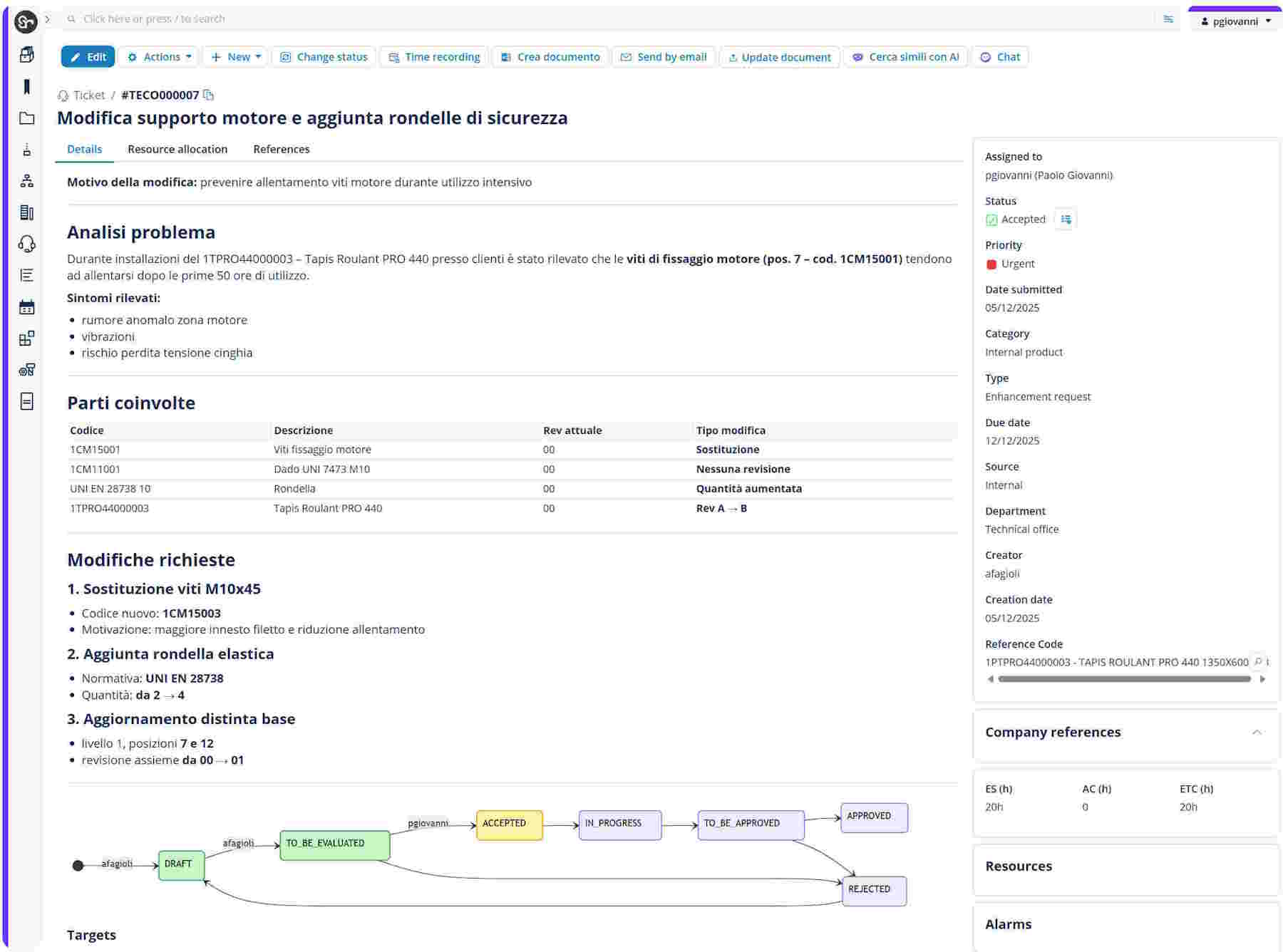
Manage history
Every change made to documents, drawings, and components is recorded and stored in the system history. It is possible to trace back previous versions, identify who made a change, and when it occurred.
Complete information traceability simplifies audits, reviews, and compliance management. No data is lost, and every product evolution remains always accessible and searchable.

Multi-site functionality
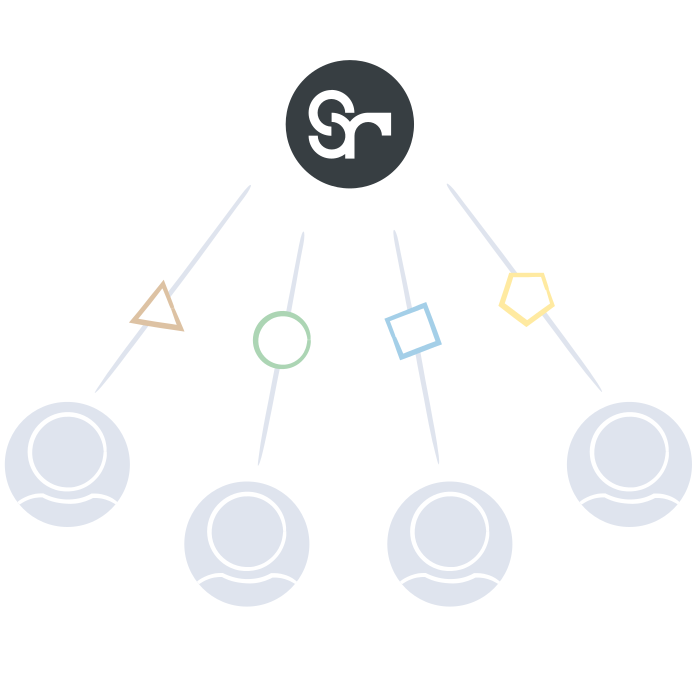
SolidRules supports multi-site environments, allowing company locations, distributed departments, and external engineering teams to work on a shared repository.
Each user can access information in a controlled and always up-to-date way, regardless of their geographical location. Synchronization processes and authorization rules ensure data security and consistency. Collaboration becomes more efficient, with no duplication of information.
PDM integration with ERP
PDM natively integrates with leading ERP systems, enabling the automatic exchange of master data, bills of materials, documents, and process-related information.
Information is shared between the engineering department and other business functions without manual activities or data duplication. The integration improves data quality and accelerates operational processes. The result is digital continuity between design, manufacturing, and business management.

Frequently Asked Questions
-
1. What is a PDM?
A PDM (Product Data Management) system is software that enables the management, organization, and control of all product technical data, such as CAD files, bills of materials, documents, and revisions, ensuring that every department always works with up-to-date and consistent information.
PDM represents a central hub for product data management, preventing errors, data duplication, and information loss throughout the product development process.
-
2. What is the difference between PDM and PLM?
PDM manages all technical data (CAD files, documents, revisions), while PLM manages the entire product lifecycle (processes, workflows, projects, tasks, and quality).
PDM represents the foundation on which to build an advanced PLM system. Platforms such as SolidRules enable companies to progressively evolve from PDM towards PLM capabilities.
-
3. Why is a PDM solution useful for my company?
A PDM helps you find documents, analyze the impact of changes, and manage coding plans, classification, and document archiving. It allows you to manage document revisions and versions by controlling the change and approval processes. It connects CAD with your ERP, transferring material master data, production bills of materials, and manufacturing routings.
Without a PDM system, you risk file duplication, loss of revision control, and operational inefficiencies. Advanced solutions such as SolidRules InCentro PDM are designed to simplify and control these processes, even in complex environments.
-
4. Does PDM meet the needs of the mechanical engineering department?
Certainly, the mechanical engineering department, with the adoption of 3D CAD systems, is the area that has historically felt the greatest need for a PDM solution. However, PDM is also essential for electrical and electronic engineering departments. Each department contributes to the creation of its own part of the production bill of materials, drawings, and work instructions required to drive company processes.
By integrating mechanical, electrical, and electronic CAD systems, SolidRules InCentro meets all the design and engineering needs of your company.a.
-
5. Is PDM suitable for SMEs as well?
Yes, PDM is a solution that is particularly suitable for SMEs as well. Smaller and more agile companies are often the ones that can achieve immediate benefits. Modern solutions such as SolidRules InCentro PDM are designed to be scalable and accessible even for small and medium-sized businesses.
-
6. Can PDM be used with the CAD systems already in place in the company?
Yes, the most advanced systems are designed to integrate with leading CAD platforms, meaning that a PDM can be adopted without changing the existing CAD system. PDM manages files, revisions, and relationships without requiring any migration.
SolidRules InCentro PDM is multi-CAD and supports heterogeneous environments without technological constraints. It enables companies to work with leading mechanical, electrical, and electronic CAD systems, providing structured management of technical data.
Blocked content
To view the video it is necessary to accept cookies. Review your preferences or accept cookies.
Blocked content
To view the video it is necessary to accept cookies. Review your preferences or accept cookies.
Blocked content
To view the video it is necessary to accept cookies. Review your preferences or accept cookies.
Any question? We are here for you.
Fill out the form or send us an email to info@solidrules.com. We will contact you to provide you all the solutions.